

Are Expensive Front Doors Worth It? How to Evaluate Long-Term Value
Last Updated:
Front doors do more than open and close. They set the tone for your home, face the sun day after day, and protect your family from heat, dust, and unwanted entry. In Yuma, that daily reality is intense. Materials that look great in a showroom can fade, warp, or loosen up faster on a west-facing stucco wall here than they would in a milder climate.
We help Yuma homeowners weigh standard and premium front door options every week. The right answer is not always the most expensive door. It is the door-and-frame system that holds up to our sun, seals out drafts, upgrades security, and fits your goals for curb appeal and resale. Below, we break down what lasts in our climate, how premium features translate to daily comfort, and when the added investment truly pays off.
What makes a door “premium” in real use, not just in marketing
Premium is not a label. It shows up in the materials, the core insulation, the finish chemistry, the hinges and strike plates, and how the frame is built and sealed to your house. In our installs, we see the most meaningful differences in three places. First, the slab itself. Fiberglass and advanced composites with foam cores keep their shape and finish far better in Yuma sun than bare wood or thin-gauge steel. Second, the weatherseal and threshold. Better compression seals and adjustable sills hold contact through seasonal expansion and contraction. Third, the hardware. A robust hinge set and a multipoint lock distribute force into the frame instead of one latch taking the load.
A standard, builder-grade door set can work for interior-facing porches or shaded entries. Out on an exposed elevation that bakes all afternoon, lesser finishes chalk and fade faster, seals flatten, and gaps open around the corners. That is where premium earns its keep.
A Yuma-specific reality: relentless sun and heat
Yuma is the sunniest city in the United States. National climate records routinely show roughly 4,000 hours of sunshine here each year. On a dark-painted or wood-veneer door that lives in direct sun, that exposure accelerates UV breakdown and surface temperature swings. In practice, we see clearcoat failure on natural wood, veneer checking, and seal shrinkage show up early on south and west elevations.
Premium fiberglass doors with UV-stable gelcoat or factory-cured paint systems resist that breakdown. Many manufacturer datasheets list fiberglass slabs with polyurethane foam cores at center-of-panel R-values in the R-6 to R-9 range, while solid wood panels typically test closer to R-2 to R-3. That difference is noticeable on a July afternoon. A better-insulated door and tighter frame keep conditioned air in, reduce radiant heat you feel when you stand near the entry, and ease the workload on your cooling system.
Real project: brightening a dark entry with a premium door and sidelight
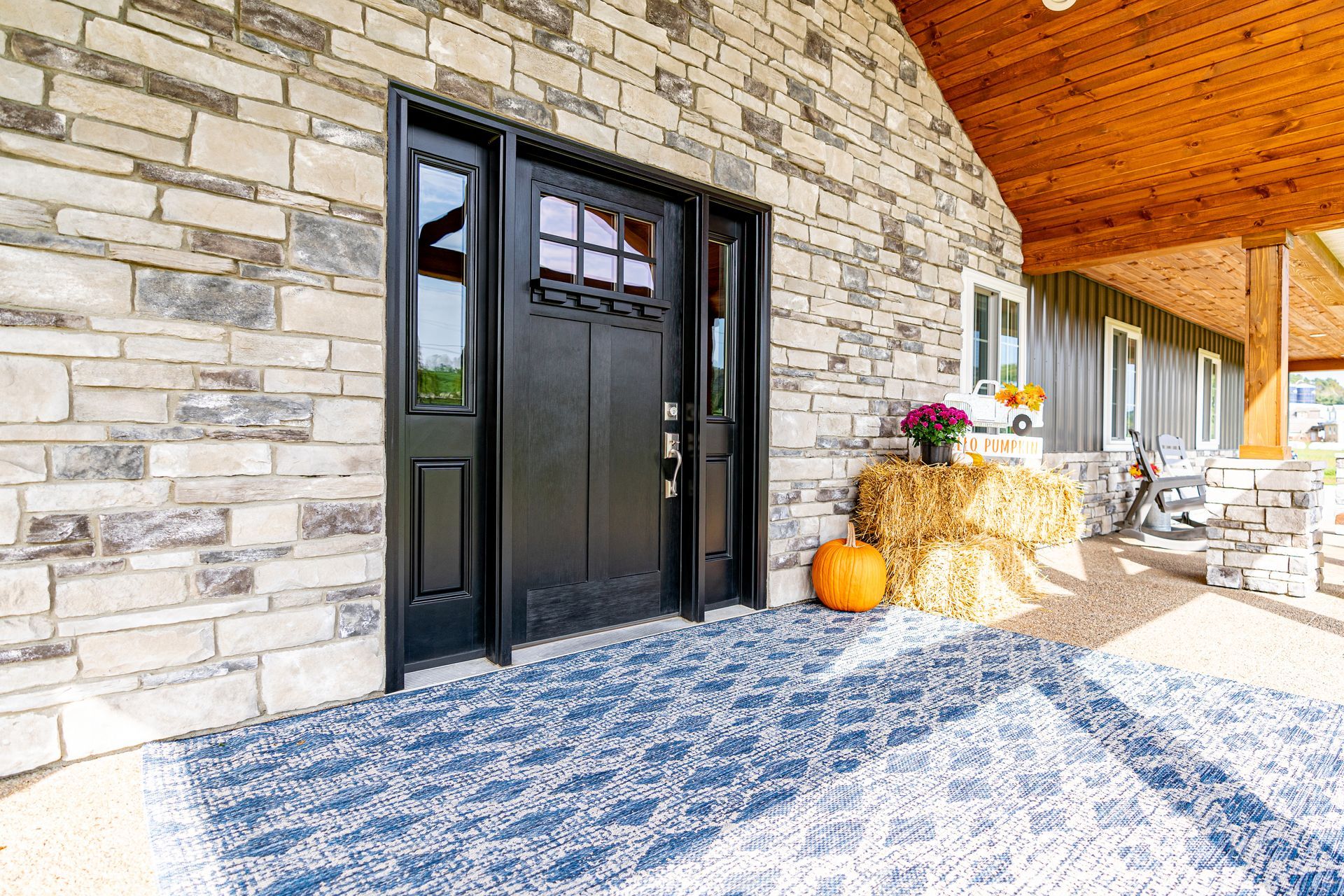
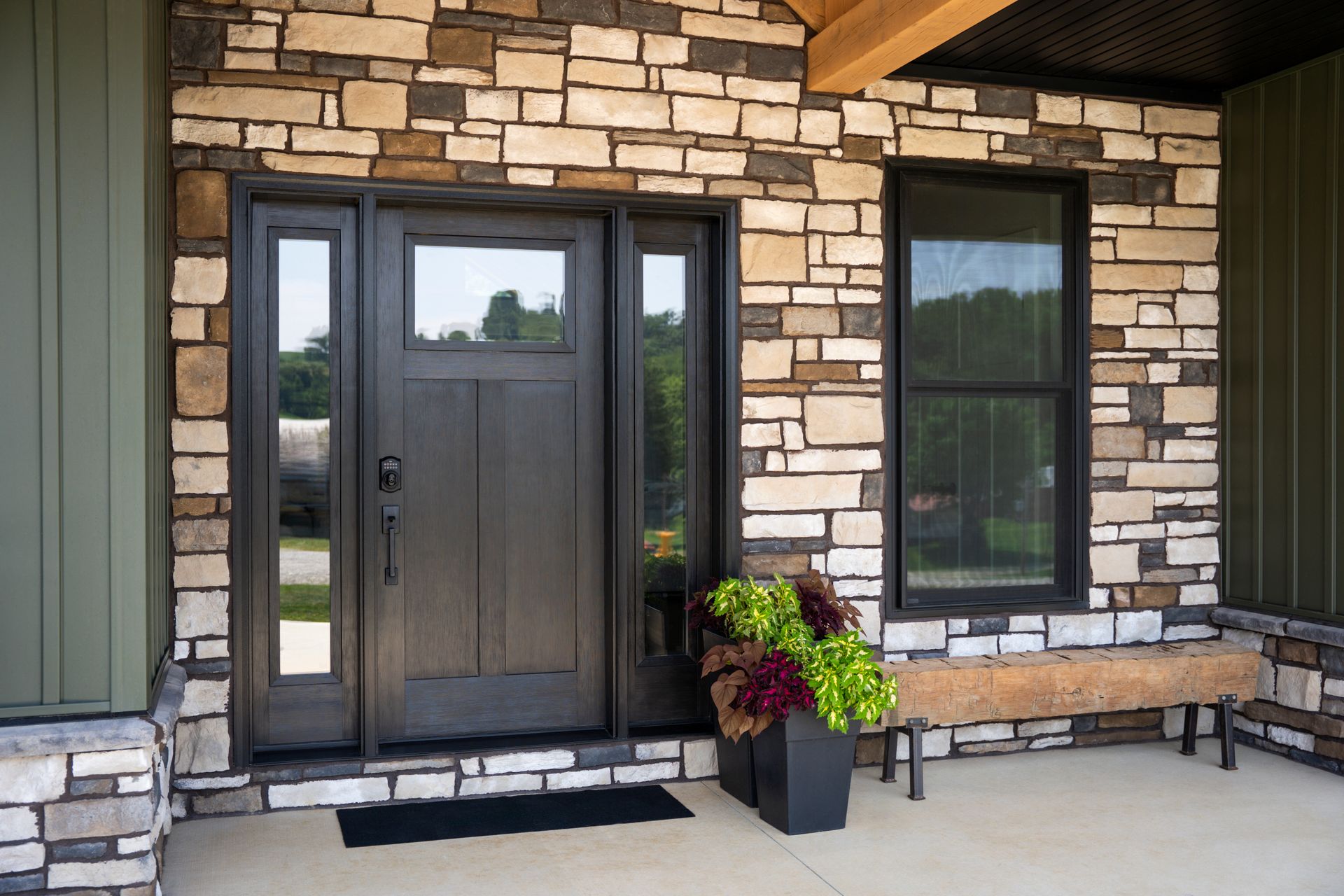
One Yuma homeowner came to us with a dark front entry that felt closed in whenever the door was shut. A standard replacement would have refreshed the look, but it would not have solved the lack of natural light. We recommended a premium fiberglass door paired with a matching sidelight. The sidelight’s insulated, privacy-rated glass brought daytime light into the foyer without opening a view from the street. We upgraded the lockset to a higher grade with a sturdier deadbolt and reinforced strike, and we rebuilt the frame, sill, and brick mold as part of the install.
The change was immediate. The entry felt open and airy in daylight, and the exterior gained dimension with the new glass proportion. Because the system was built around a composite slab and insulated glass unit, the home did not take on unwanted heat the way a thin, clear-glazed unit would have. The homeowners loved the added light and the more substantial feel of the door in daily use.
Premium vs. standard: a clear, decision-focused comparison
Here is how the options typically differ in our market. Use these points to match the door to your goals and your home’s exposure.
- Materials and finish. Standard options are usually builder-grade steel or basic fiberglass with thinner skins and paint-only finishes. Premium doors use thicker fiberglass or composite skins, higher-density foam cores, and factory-cured finishes formulated for UV. That translates to less fading, warping, and touch-up in Yuma sun.
- Durability and maintenance. Standard doors can perform acceptably on shaded porches. On exposed elevations, we see finish fade and weatherstrip fatigue sooner. Premium systems maintain color, resist denting, and keep their seal longer, which reduces maintenance cycles.
- Energy performance. Premium insulated slabs and insulated glass sidelights deliver higher R-values and better edge seals. Wood slabs without foam cores lag behind, and older metal slabs without thermal breaks transmit heat.
- Security. Standard single-point locks depend on one latch and strike. Premium packages often support multipoint locking that engages the jamb in two to three places, spreading force and reducing pry points.
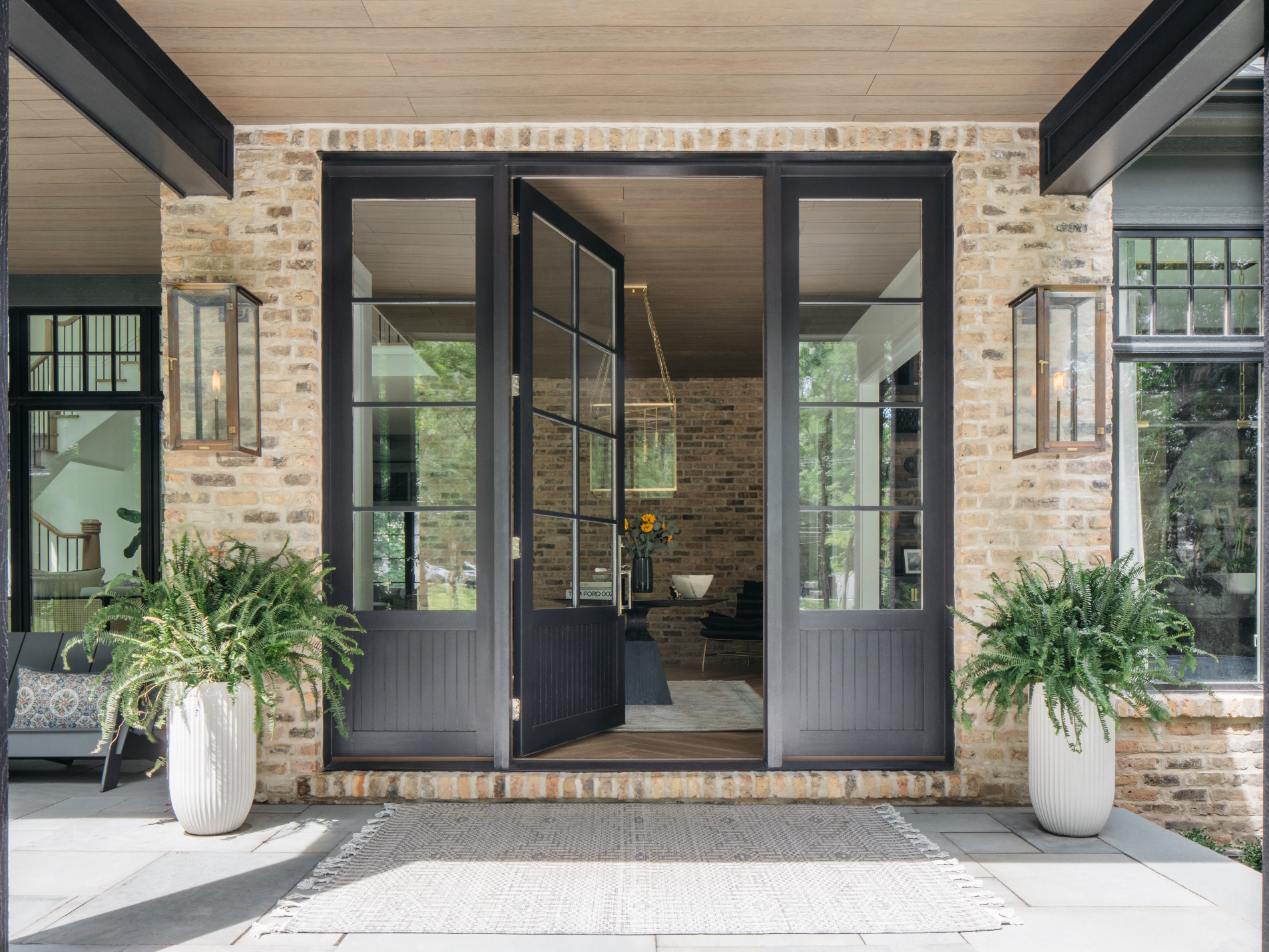
- Customization. Standard offerings come in a handful of panel designs and sizes. Premium lines open up options for sidelights, transoms, privacy glass patterns, and hardware finishes that coordinate with the rest of your home.
- Typical investment drivers. Premium pricing follows added glass, custom sizing, specialty finishes, and multipoint hardware. Standard doors cost less up front but may need refinishing or seal replacement sooner in our climate.
- Best fit. Choose standard for budget-focused refreshes on shaded entries or short-term ownership. Choose premium for sun-exposed facades, long-term ownership, security upgrades, and curb appeal that supports resale.
Does a new front door really add value, or is that a myth?
Curb appeal is one of the fastest ways buyers form an opinion about a home. External research backs that up. Zillow’s paint color analysis has repeatedly found that dark front doors correlate with higher sale prices. For example, Zillow reported that homes with black or charcoal front doors sold for roughly $6,000 more on average in past analyses. The exact number changes year to year, but the takeaway is consistent. Buyers react to a crisp, intentional entry.
In our experience, a premium door has two value paths. First, it signals a well-maintained property, which helps at listing time. Second, it adds daily living value that you feel now. Less heat pouring through the entry in summer. A lockset that closes with a solid click, not a wiggle. Materials that still look fresh three Yuma summers from now.
Why the install method matters more than most people realize
We are often asked whether we can just swap the slab on the hinges and call it a day. That approach rarely solves the problems that make you want a new door in the first place. Frames twist over time, sills rot, and the original weather barrier behind the trim gets nicked or never sealed properly. Leaving that in place often preserves the very gaps that cause drafts, dust, and leaks.
Our team removes the entire unit. We expose and rebuild the waterproofing envelope, insulate the cavities, set a new sill pan, shim the jambs plumb and square, and install fresh brick mold and interior casing. That is how you get a door that closes evenly, locks smoothly, and seals on all four sides. It is also how you avoid water making its way into the wall during a summer monsoon.
Signs your current door is costing you comfort and security
You do not need tools to spot problem clues. Stand inside on a bright day with your interior lights off. If you can see daylight around the perimeter, the seal is not doing its job. Feel along the jambs and threshold in the afternoon. Hot spots around the edges point to air leakage. Doors that stick at the top corner then swing free at the bottom often mean the frame is out of square, which weakens the latch engagement. Hardware that needs a lift-and-pull to latch is not just annoying. It is a security issue because the bolt is not fully seating in the strike.
When we assess a door in Yuma, we also look at sun exposure, finish condition, and how the weatherstrip is wearing. On west elevations we often see the exterior sweep flattened hard, which lets dust and hot air ride straight under the door. All of these signs point to lost efficiency and reduced security, and they tend to accelerate once they begin.
When a premium door is actually worth the extra money
Premium is not an automatic yes. It earns its keep when the door takes a beating from sun and heat, when you plan to stay long enough to benefit from lower maintenance, or when your goals include security and resale presentation.
Choose the premium route when your entry is fully or mostly exposed to south or west sun, you want sidelights or privacy glass that still insulates, you value a factory finish that will not chalk or peel after two summers, or you want multipoint hardware and a stiffer frame. Choose standard when the entry is well shaded, you expect to move soon, or you are refreshing a rental where durability matters but advanced customization does not.
How we help you decide, step by step
During an in-home consultation, we measure the opening, check the squareness of the existing frame, and note sun exposure, porch depth, and wind direction. We talk through how you use the entry. For example, whether you like to leave the door open for cross-breeze with a security screen, or whether privacy glass matters on a busy street. Then we design the unit as a system. Door slab, sidelight or transom options, finish choice, hardware grade, and the right sill and sweep for your threshold.
We price both standard and premium configurations when it makes sense, along with the factors that change cost, such as custom sizes, specialized glass, or multipoint locking. We install the complete unit, including frame, waterproofing, sill, and finish trim, so you are not left with gaps and drafts around a brand-new door. After install, you get a walkthrough on operation and care so the door continues to feel tight and look great.
What to look for in product specifications
You do not need to memorize codes, but a few numbers help you compare apples to apples. On insulated fiberglass doors, look for published R-values for the slab center and for the overall unit if a sidelight is included. Ask whether the skin is fiberglass with a UV-stable resin and whether the core is polyurethane foam. On security, look for hardware that supports a reinforced strike plate and, if desired, a multipoint lock. For glass, privacy patterns with insulated units help maintain efficiency while solving sightline concerns. Factory-applied finishes with clear UV warranty language tend to last longer under Yuma sun than field paints.
For energy performance, we match products to your exposure. A simple, opaque fiberglass slab on a west-facing wall can outperform a wood slab in both insulation and surface temperature. Add a sidelight with low-e insulated glass and you gain daylight without a major heat penalty.
Common misconceptions we clear up on nearly every visit
Replacing just the slab almost never corrects drafts, misalignment, or security issues. Doors do not fail in isolation. Frames move and seals collapse. Another misconception is that wood always looks better. Several fiberglass products now mimic grain and stain remarkably well, while holding finish color and resisting warping in places that see direct sun year round. Finally, more glass is not always hotter. The right privacy low-e glass in a sidelight can admit light while limiting heat gain compared with a solid but darker, heat-soaked slab.
Maintenance and lifespan expectations in Yuma
A standard painted steel door on an exposed facade may need repainting more often as the sun bakes the skin and minor dings rust. Standard weatherstripping and sweeps compress and lose shape faster in our heat. Premium fiberglass skins, UV-stable finishes, and higher-grade seals extend the service life. The difference is not just years on paper. It is how the door looks and feels after three to five summers, and whether you are touching up paint or replacing sweeps every season.
The bottom line for Yuma homeowners
You do not need the priciest door to get good results. You need the right system for your exposure, your timeline in the home, and your goals for security and curb appeal. In shaded entries or short-term plans, a well-installed standard door can be the smart choice. On sun-baked elevations, for long-term owners, or for homes headed to market where first look matters, premium doors routinely pay off in lower maintenance, better comfort, and stronger presentation.
Frequently Asked Questions
How long does a quality front door last in Yuma?
Service life varies by material and exposure. In our climate, well-built fiberglass systems on exposed facades commonly outlast painted steel and wood because they resist UV fading and warping. Shaded entries extend the lifespan of any door, standard or premium.
Will a sidelight make my home hotter in summer?
Not when it is specified correctly. We use insulated, low-e privacy glass that brings in daylight while limiting heat transfer compared with clear, single-pane glass. Placement and shading also matter, which we review during your consultation.
Do I have to replace the frame, or can you just swap the slab?
We recommend replacing the full unit. Frames and sills often cause the gaps and sticking people want to fix. Rebuilding the waterproofing envelope, insulation, sill, and jambs produces a tighter seal, smoother operation, and better long-term results.
Are premium locks really more secure?
Yes. Multipoint systems engage the jamb at two to three points instead of relying on a single latch, and heavier strike plates distribute force into the framing. You also feel the difference. The door closes and locks with less play and a more solid feel.
How soon will I see energy benefits after replacing my door?
Most homeowners notice comfort changes right away. The entry area feels cooler in the afternoon and drafts disappear. Utility bill changes depend on your home and usage, but tighter sealing and better insulation reduce wasted cooling through the entry.